How does an infusion pump work
Did it ever occur to you how doctors and nurses manage giving medicine to a patient without willingly administering? You do not go into all hospitals and also see a person jabbing you with medication even if they are doing it properly. A special device that can help with this is called an infusion pump.
An infusion pump is a machine that delivers and controls liquid medicine or nutrients to patients in exactly the way it should be administered. A little like the way plants eat food from water and soil, only this time the body of a person who is sick or injured needs help so they can feel better. Now, the infusion pump helps in ensuring that there is an appropriate dispensing of medicine into the body and at a right moment so as to make patient recover.
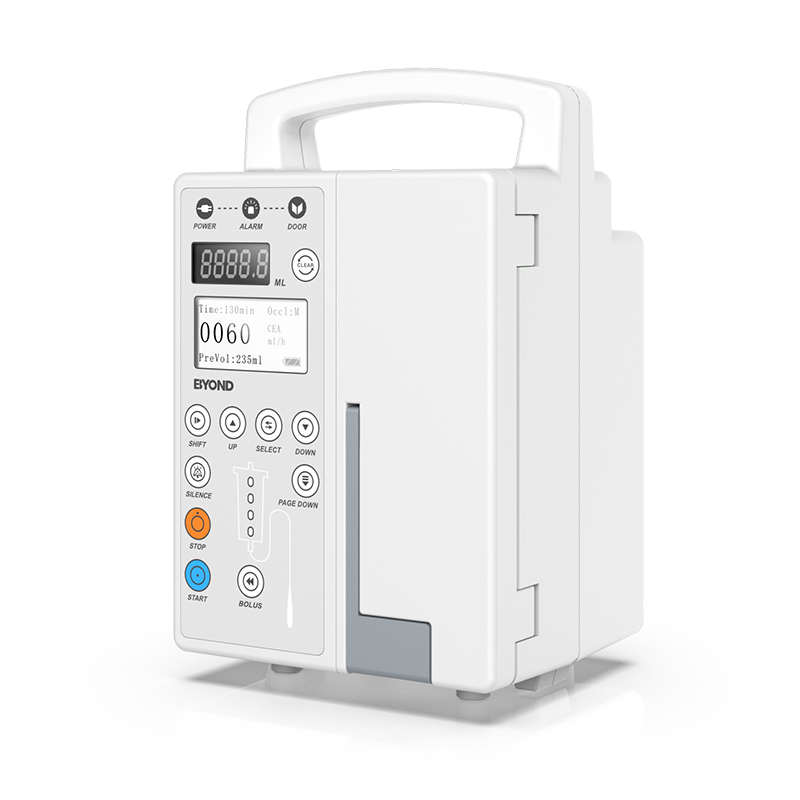
These pumps are normally used in hospitals and clinics for the patients that require their medicine over a longer period of time (i.e. surgery, recovery). The use of infusion pumps is very beneficial because it provides the doctors and nurses an opportunity to regulate both medication amounts as well as how fast or slow this goes into a patient. This infusion pump further adds to its benefits - there is very little chance of patients getting any wrong dosages at the right time, making it quite safe.
How Infusion Pumps Work
How do these infusion pumps work, really? Catheters or IV lines - Infusion pumps are connected to the patient through small tubes, known as catheter or IV line. These tubes go directly to the patient veins, which are paths of blood in our body like little roads. These tubes are hooked up to a pump, which is used to time how fast and how much medication or nutrition the patient gets.
The pump is programmed to give medication or nutrient when and as the patient requires. As a example if one has underwent some form of Surgery and the patient needs medicine for pain then, it can be programmed to deliver smaller amount continuously i.e. every hour which will help the cause where injecting drug dose locally at constant rate is required like in bolus dosing. In this way, the pain of a patient is reduced and can be sooner in getting relieved.
Infusion Pumps with security features
Infusion pump comes with a lot of safety features and this is the best thing in it. The Vet Infusion Pump has sensors that can detect if something goes wrong with the flow of medication. If the rate is either too rapid or slow, then pump can cease and/or alter its own to protect both machine and patient. This helps to avoid any potential issues that may arise in the event of an incorrect dosage being administered.
In addition, the pump also typically beeps or notifies an alarm to alert medical staff if something goes wrong. These alarms are so important because they alert doctors and nurses to act fast to take care of the patient. When something will not go according to plan, the team can be right there and take care of them quickly.
Types of Infusion Pumps
Infusion pumps comes in a wide variety and each of them are designed for particular purposes. Many infusion pumps are designed for hospital use and help these facilities provide care to acute patients who need continuous attention. There are smaller, portable versions that can be used at home for patients who need regular medicine but don't have to stay in a hospital. Some pumps are designed to help with a unique medical issue, such as diabetes or cancer, and have specific methods of delivering medication.
Different kinds of technologies are used by infusion pumps for giving the medicine. A few are piston system and does not need to say the rest, as it is completely a different method peristaltic pump. Some pumps can even do either, depending on what the patient needs. This customization enables the infusion pump for a specific medical application.
The pumps can be run with batteries or on electricity according to your needs which make them an excellent product. A few even have battery backups, so they can work if the power is out. It is very crucial patients get uninterrupted supply of their medicines no matter what.
Step by Step: A Guide on How Infusion Pumps Works
The following is a nutshell, step by step description of how an infusion pump works
The infusion pump is linked to the catheter or IV line of a patient
The pump is programmed to provide the exact dose at a specific infusion rate of medicine or nutrients that patient needs.
The pump delivers the liquid medicine or nutrients into the patient’s body.
The pump is assessing flow and pressure in the catheter or IV line to ensure everything is functioning.
The pump will stop or run more slowly if the flow rate, pressure are too high enough to maintain patient safety.
The pump will signal to the medical infusion pumps team whether there is a problem so that they can assist the patient in real time.
The pump then continuously dispenses the liquid medicine or nutrients when necessary so that it does not interrupt its therapy and continues to be operated until manually instructed to turn off, ensuring patients receive prompt attention.
So, to sum up - infusion pump devices are crucial for administering medication and nutrients continuously required by the patients. Safe and reliable, they are smart enough to dispense only the required doses of the right medication at the appropriate time. This enables us identify how important these infusion pump are in healthcare and that they help doctors & nurses to save countless lives everyday. This is the technology that supports all of the energy and labor expended on behalf of patient health and safety.


Comments
Post a Comment