Refrigerated vs. Non-Refrigerated Centrifuge Machines: Which is Right for You?
Centrifuges are induction machines that separate multiple materials (solids and liquids). They achieve this by running a sample really fast. As you spin the machine, the dense components of the sample go down, while the less dense parts glide up. This is like when you mix oil and water, the oil floats because it is lighter than the water. Centrifuges, did you know there are 2 main types of centrifuges? These centrifuges are zero degrees, refrigerated centrifuges, and non-refrigerated centrifuges. So, let’s understand how to select one that’s best for you.
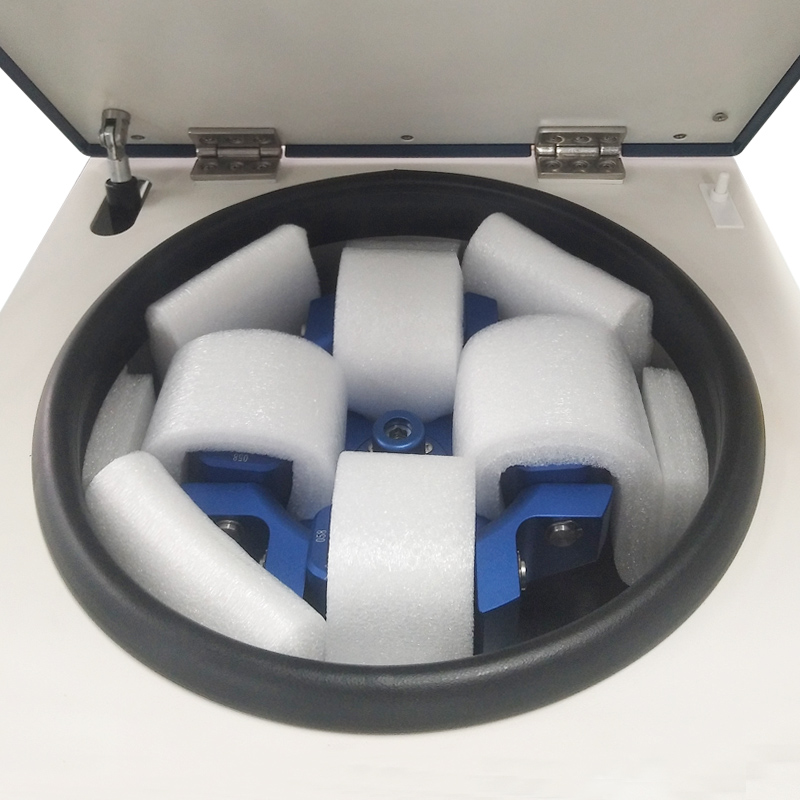
Non-Refrigerated and Refrigerated Centrifuges
To appreciate the difference between those two sorts of centrifuges, it is worth taking a step back and examining what each does. They contain a built in refrigerating system. The spinning sample is helped to be kept cold by this cooling apparatus. Maintaining the Refrigerated centrifuge temperature of the sample is critical, especially for some materials that would melt down, if they are heated up. Conversely, non-refrigerated centrifuges lack this refrigeration and, while spilling, the temperature of the sample can increase.
Comparing the Two Types
Now, what distinguishes these two types of centrifuges from each other? The primary advantage of a refrigerated centrifuge is rather avoiding overheating sensitive samples. So imagine for instance you had a very delicate thing like DNA or RNA, then keeping it cool is very important. These samples can get ruined if they get too warm, and you can no longer use them. A refrigerated centrifuge enables you to spin those samples without concern of increasing the temperature and damaging them.
Conversely, non-refrigerated centrifuges tend to be cheaper and simpler to purchase and maintain. They are also easier to care for, making them a good alternative in many situations where temperatures aren't a huge factor.
Choosing the Right Centrifuge
When it is time to select the proper centrifuge for your work function, there are some key points to consider. So start by considering what kind of samples you are going to take. If your materials such as those DNA or RNA samples you discussed are heat-sensitive, you’ll want to buy a refrigerated centrifuge. This will keep your samples safe in the spinning process.
Consider also how quickly the machine can spin and how much material it can process all at once. Commonly non refrigerated centrifuge, refrigerated centrifuges have lower starting and stopping speeds. That is due to the cooling system that they initially employed. One drawback is that non-refrigerated centrifuges can spin faster than traditional refrigeration centrifuges, and that higher speed can be useful if there is a need to separate samples quickly. The importance of centrifuge speed is that it can be used to separate samples much more quickly.
Pros and Cons of Each Type
Now let’s examine the pros and cons of the different types of centrifuges so you can decide.
Refrigerated Centrifuges:
Pros: They protect heat-sensitive material, which is critical for accurate results. Coming from the non-refrigerated centrifuge process means that the samples do not suffer any injuries.
Cons: The trade off here is that they are usually more expensive than their non-refrigerated counterparts. That also means that they have slower acceleration and deceleration times, so that they require more time to speed up and to slow down. Similarly, they are higher-maintenance.
Non-Refrigerated Centrifuges:
Cons: Generally more affordable, making them easier on your budget They're also a lot easier to maintain in comparison, so they are a good choice for a lot of users.
They also do not maintain low temperature, which means they risk damaging heat-sensitive samples. And the fact that they go faster can also make for a not-as-good separation.
Ultimately, which centrifuge you purchase will depend on your specific needs and what you are planning on doing with it. If you plan to work with heat-sensitive materials or require very precise separation of your samples, then a refrigerated centrifuge is the ideal choice for you. But, if you are short on money or simply need to centrifuge the samples fast, a non-refrigerated centrifuge may work well for you. We stock both types of machines here at MKE Centrifuge, and our experts are always on hand to help you choose the right one for your particular type of research.


Comments
Post a Comment